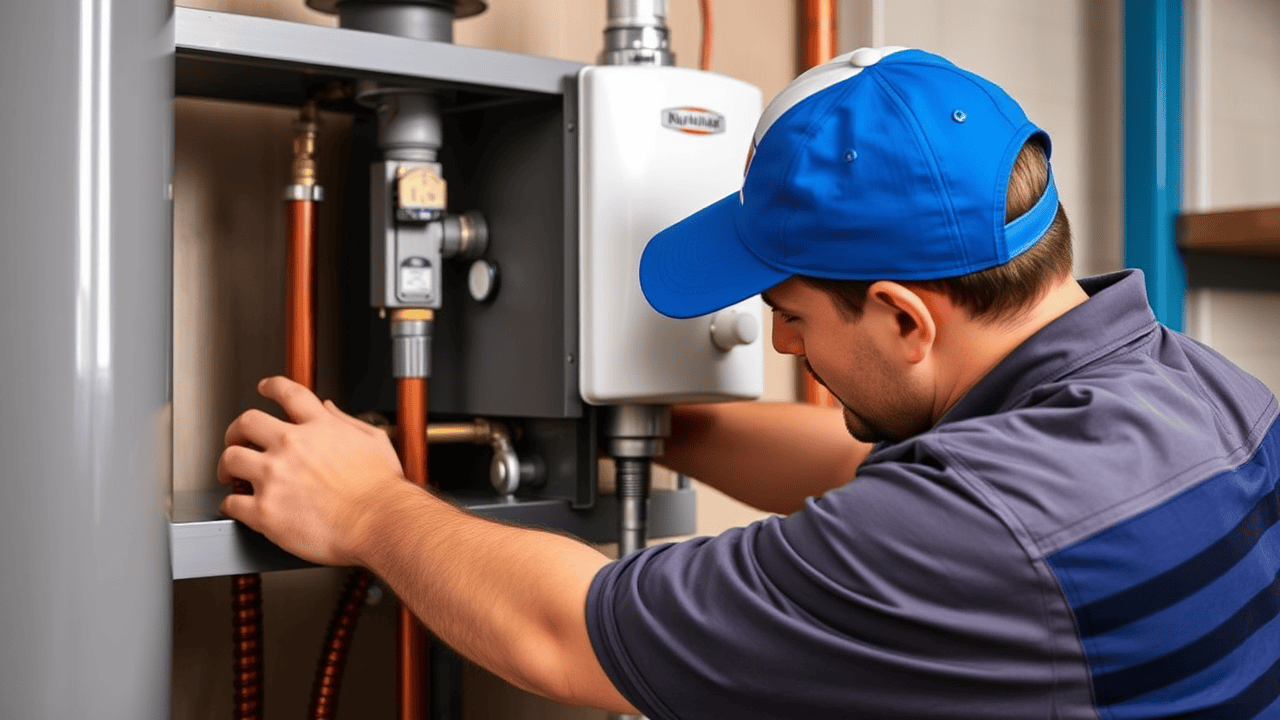
At BRONCO PLUMBING & ROOTER, we specialize in professional water heater installation and repair services, ensuring that your home always has access to reliable hot water. Whether you need a new water heater installed or your existing system requires maintenance or repairs, our skilled technicians are equipped to handle all types of water heaters, including traditional tank units and modern tankless models. We take pride in our prompt, efficient service and our commitment to keeping your household comfortable. When you choose BRONCO PLUMBING & ROOTER, you can trust that we’ll get the job done right the first time, allowing you to enjoy the peace of mind that comes with a fully functioning water heating system.
Energy Efficiency and Water Heaters
Energy-efficient water heaters can significantly reduce energy consumption and lower utility bills for homeowners. These models utilize advanced technology to minimize heat loss and optimize usage. From tankless systems that heat water on demand to solar water heaters that harness renewable energy, consumers have a variety of options tailored to meet their needs. Energy efficiency ratings, usually indicated by Energy Factor (EF) or Uniform Energy Factor (UEF), provide a clear comparison of performance levels among different water heater models.
Investing in an energy-efficient water heater not only benefits the wallet but also contributes to environmental sustainability. Lower energy consumption leads to reduced greenhouse gas emissions, helping to combat climate change. Homeowners should consider the initial investment against the long-term savings available through energy-efficient options. Additionally, many local utilities offer rebates for the purchase of qualifying models, further enhancing the return on investment for those looking to upgrade their systems.
How to Choose an EnergyEfficient Model
Selecting a water heater that maximizes energy efficiency involves several key factors. Begin by considering the type of fuel used, as electric, gas, and solar models each have their advantages and drawbacks. Look for heaters with high energy factor (EF) ratings. An EF rating indicates the unit's efficiency, with higher values signaling better performance. Additionally, consider the size of the heater needed to meet your household demands without wasting energy on unnecessary heating.
Another important factor is the technology of the water heater. Tankless models can provide hot water on demand, reducing energy waste associated with heating and storing water unnecessarily. Heat pump water heaters are another energy-efficient option, capturing heat from the air or ground and using it to heat water. Always check for Energy Star certifications, as these models meet strict energy efficiency guidelines set by the Environmental Protection Agency. Investing in a high-quality, energy-efficient water heater not only saves on utility bills but also contributes to a more sustainable household.
Factors Affecting Water Heater Lifespan
Several elements play a significant role in determining how long a water heater will last. The quality of the unit itself is paramount; higher-end models often incorporate better materials and technology, enabling them to withstand the rigors of daily use. Regular maintenance, such as flushing the tank to remove sediment buildup, can significantly extend the life of the heater. Moreover, water quality in your area also contributes to wear and tear. Hard water can lead to mineral deposits that accumulate over time and diminish efficiency.
Environmental factors, including temperature fluctuations and exposure to corrosive elements, can impact a water heater's lifespan as well. For instance, units installed in garages or basements may face different challenges compared to those located outside or in areas with high humidity. Installation quality is another crucial aspect; improper installation can lead to leaks and other issues, drastically reducing the unit's effectiveness and longevity. Paying attention to these factors helps homeowners select and maintain a water heater that will serve them well for years.
Understanding Wear and Tear
Every water heater undergoes wear and tear over time due to usage and environmental factors. The most common issues arise from sediment buildup, which can impede performance and reduce efficiency. Regular maintenance, including flushing the tank, helps prolong the unit’s lifespan and maintain optimal operation.
Another contributing factor to wear is the anode rod, which protects the tank from corrosion. If not replaced periodically, the rod may degrade, allowing rust to develop within the tank. Homeowners should remain vigilant about signs of wear, such as inconsistent water temperatures or unusual noises, to address problems before they escalate.
Local Regulations and Permits
Before proceeding with a water heater installation, it's essential to familiarize yourself with local building codes and regulations. Many municipalities require specific permits to ensure safety and compliance with standards. These regulations can vary significantly from one area to another, so checking with your local building department can help navigate the requirements. An authorized professional can assist in obtaining necessary permits, which can save time and prevent potential fines or issues down the line.
Additionally, some regions may impose regulations on the types of water heaters allowed, especially regarding energy efficiency standards. It is crucial to select a model that not only meets your needs but also complies with local regulations. Knowing about installation protocols, safety measures, and inspections required in your area ensures that the process runs smoothly. Taking these steps allows you to focus on enjoying your new water heater while remaining compliant with the law.
What You Need to Know Before Installation
Before proceeding with the installation of a water heater, it's essential to ensure that you meet all local regulations and necessary permits. Each locality may have specific codes that dictate the type of water heater permissible for use, especially in terms of energy efficiency and safety standards. Familiarizing yourself with these requirements can prevent delays and potential fines. Consulting with a professional plumber or local utility company can provide clarity and guidance tailored to your area.
Selecting the appropriate location for your water heater is also critical. Factors such as accessibility for maintenance, proximity to water supply lines, and safety considerations like ventilation play significant roles in the installation process. An optimal installation site can enhance performance and longevity, making it easier to address any issues that may arise in the future. Careful planning in this stage will ultimately lead to a more efficient and reliable system.
FAQS
What type of water heater is the most energy-efficient?
Tankless water heaters are generally considered the most energy-efficient option, as they heat water on demand and do not require a storage tank, leading to lower energy consumption.
How long can I expect my water heater to last?
The average lifespan of a traditional water heater is around 10 to 15 years, while tankless models can last up to 20 years with proper maintenance.
Do I need a permit for water heater installation?
Yes, many local regulations require permits for water heater installation to ensure compliance with safety standards. It’s important to check with your local building authority before proceeding.
How can I maintain my water heater to prolong its lifespan?
Regular maintenance includes flushing the tank annually to remove sediment buildup, checking the anode rod, and ensuring that the temperature and pressure relief valve is functioning properly.
What are the signs that my water heater needs repair?
Common signs that your water heater may need repair include inconsistent water temperatures, strange noises coming from the unit, leaks, or discolored water.