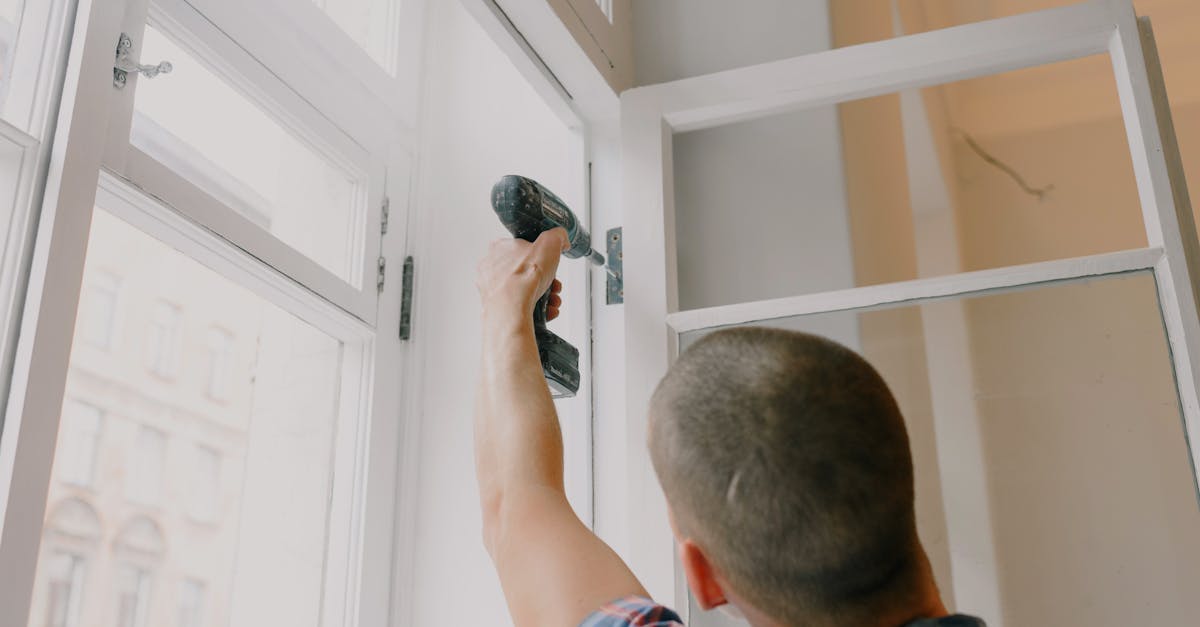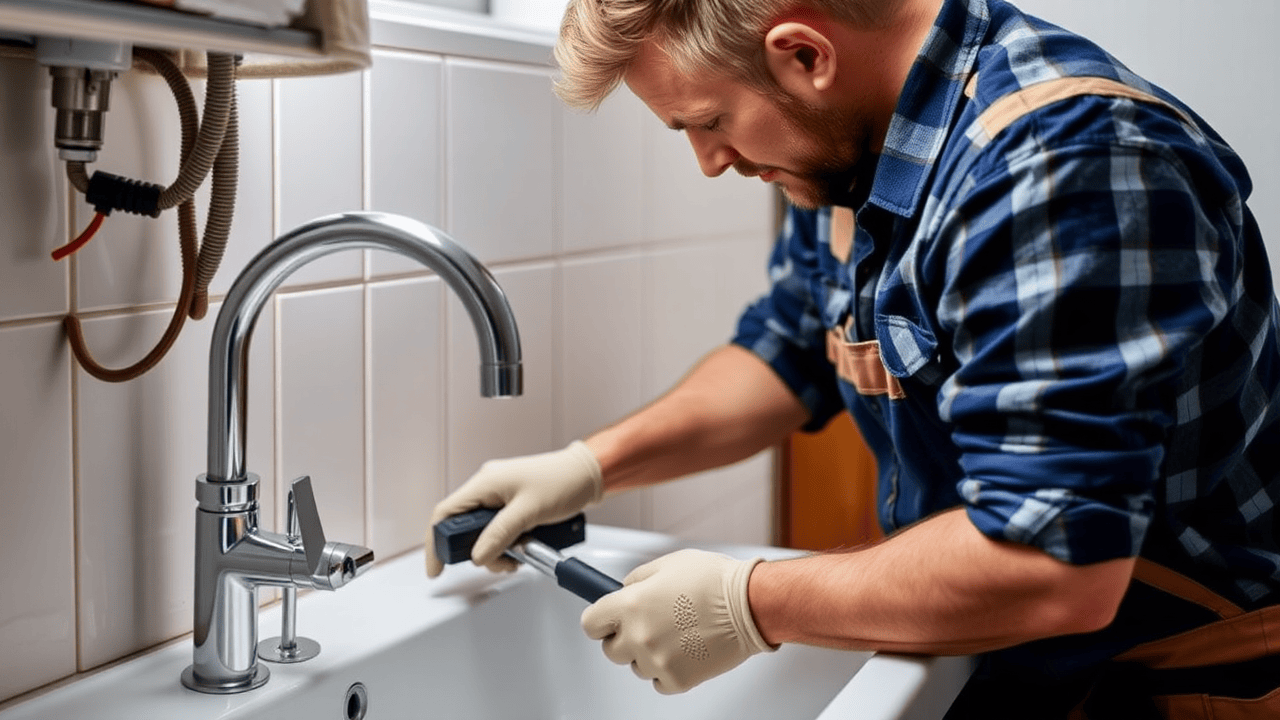
At BRONCO PLUMBING & ROOTER, we specialize in sink installation and repair, delivering top-notch service to ensure your plumbing needs are met with precision and care. Whether you’re looking to upgrade your kitchen sink or need a quick repair for a leaky bathroom faucet, our experienced team is equipped to handle jobs of all sizes. We take pride in providing quality workmanship and using high-grade materials, ensuring your new sink not only fits seamlessly into your space but also functions flawlessly. With our commitment to customer satisfaction, you can trust that we’ll get your sink installed or repaired efficiently, leaving you with peace of mind and a perfect finish.
DIY Sink Repair Techniques
Performing DIY repairs on your sink can save you time and money. Begin by identifying the specific issue, such as a leaky faucet or a clogged drain. Common problems often involve loose parts or buildup in the drain system. Tightening connections can resolve minor leaks, while using a plunger on a clogged sink can help dislodge debris.
Another effective technique is to clear out the P-trap under the sink, where food particles and grime typically accumulate. Take care to place a bucket underneath to catch any water that may spill out. After disassembling the trap, clean it thoroughly before reinstalling it. Always remember to turn off the water supply before attempting any repairs to avoid unnecessary mess or injury.
Simple Fixes for Common Sink Issues
A clogged sink can often be resolved with a few simple steps using common household ingredients. Baking soda and vinegar can work wonders when mixed together. Pour a half-cup of baking soda down the drain, followed by a half-cup of vinegar. Allow the mixture to fizz for about 15 minutes, then flush it with hot water to clear out any debris. This method is not only effective but also eco-friendly, making it a safe option for most households.
Leaky faucets can also be tackled with minimal tools. Start by shutting off the water supply to prevent any further dripping. Remove the faucet handle and check for worn-out washers or O-rings, which are often the culprits behind leaks. Replacing these parts is usually straightforward and can save significant amounts of water and money. Regular maintenance and inspection can help keep your sink in optimal condition, reducing the chances of more serious issues arising in the future.
When to Call a Professional Plumber
Determining when to call in a professional can save time and money. If you encounter persistent leaks, multiple clogs, or any signs of water damage, it's often best to seek expert help. These issues may indicate more significant problems within your plumbing system that require specialized tools and knowledge to resolve. Taking a DIY approach in such situations could lead to greater complications, as well as potentially damaging your property.
Another indicator that a professional plumber should be contacted is when plumbing repairs or installations become overwhelming. If a project involves complex fittings or extensive re-piping, the expertise of a qualified plumber ensures the work is done safely and correctly. Professionals can also provide insights into preventive measures, helping to avoid future issues. Understanding your limitations can lead to better decisions when it comes to managing plumbing tasks effectively.
Signs that Require Expert Intervention
Some sink issues indicate that a professional plumber should be called promptly. A persistent leak under the sink that doesn’t respond to standard fixes can cause water damage and mold growth if left unattended. Similarly, if the sink is draining slowly despite attempts to clear the blockage, there may be a deeper problem within the plumbing system that requires specialized tools and expertise to resolve effectively.
Another sign that professional help is needed is frequent backups or gurgling noises coming from the sink. These symptoms may point to a clogged vent or a problem deeper within the plumbing infrastructure. Additionally, if the sink's faucet has low water pressure or inconsistent temperature, it could signal an issue with the plumbing fixtures themselves or the hot water heater. Seeking assistance from a qualified plumber ensures that these problems are diagnosed accurately and repaired correctly.
Cost Factors in Sink Installation
When planning a sink installation, various factors can influence the overall cost of the project. The type of sink chosen plays a significant role, with materials ranging from porcelain to stainless steel and affecting price points. Additionally, the complexity of the installation, such as plumbing adjustments or requiring additional fixtures, can lead to higher labor costs. Local labor rates also vary, so it's essential to consider these when budgeting.
Other costs might include permits, especially in areas with strict building codes. Removing an old sink or making necessary repairs to existing plumbing will add to the expense. Shopping around for competitive pricing on both sinks and installation services can help manage costs effectively while ensuring quality work. Always factor in the longevity and warranty of the materials to assess long-term value.
Budgeting for Your Sink Project
When planning your sink project, it's essential to factor in all potential costs to set a realistic budget. This includes not only the price of the sink itself but also materials and fixtures needed for installation. If you're opting for a professional plumber, account for labor costs as well. Unexpected expenses can arise, so it might be wise to include a contingency fund, typically around 10-15% of your total budget.
Different sink styles and materials can vary significantly in price. For example, a basic stainless steel sink may be more affordable than a custom-made farmhouse sink. Consider the long-term durability and maintenance costs associated with different materials. Research various options and collect quotes to ensure you make an informed financial decision that aligns with your budget without sacrificing quality.
FAQS
What are some common sink issues that I can fix myself?
Some common sink issues that can often be fixed DIY include minor leaks, clogged drains, and loose faucet handles. Simple fixes like tightening connections, using a plunger for clogs, or replacing washers can often resolve these problems without professional help.
How do I know when it's time to call a professional plumber?
You should consider calling a professional plumber if you experience persistent leaks, significant water damage, low water pressure, or if you encounter complex issues that require specialized tools or expertise, such as pipe replacements or major leaks within walls.
What factors influence the cost of sink installation?
The cost of sink installation can be influenced by several factors, including the type of sink selected, the complexity of the installation, labor costs in your area, and any additional plumbing or modification work needed. Materials and finishes may also impact the final price.
Can I install a new sink myself, or should I hire a professional?
Depending on your skill level and experience with plumbing, you can install a new sink yourself if it is a straightforward replacement. However, if you are unsure or if the installation involves complicated plumbing changes, it may be wise to hire a professional.
What should I consider when budgeting for a sink project?
When budgeting for a sink project, consider the cost of the sink itself, installation materials, potential plumbing upgrades, labor costs if hiring a plumber, and any additional features or accessories you may want, such as a new faucet or countertop.