Tools You Might Need
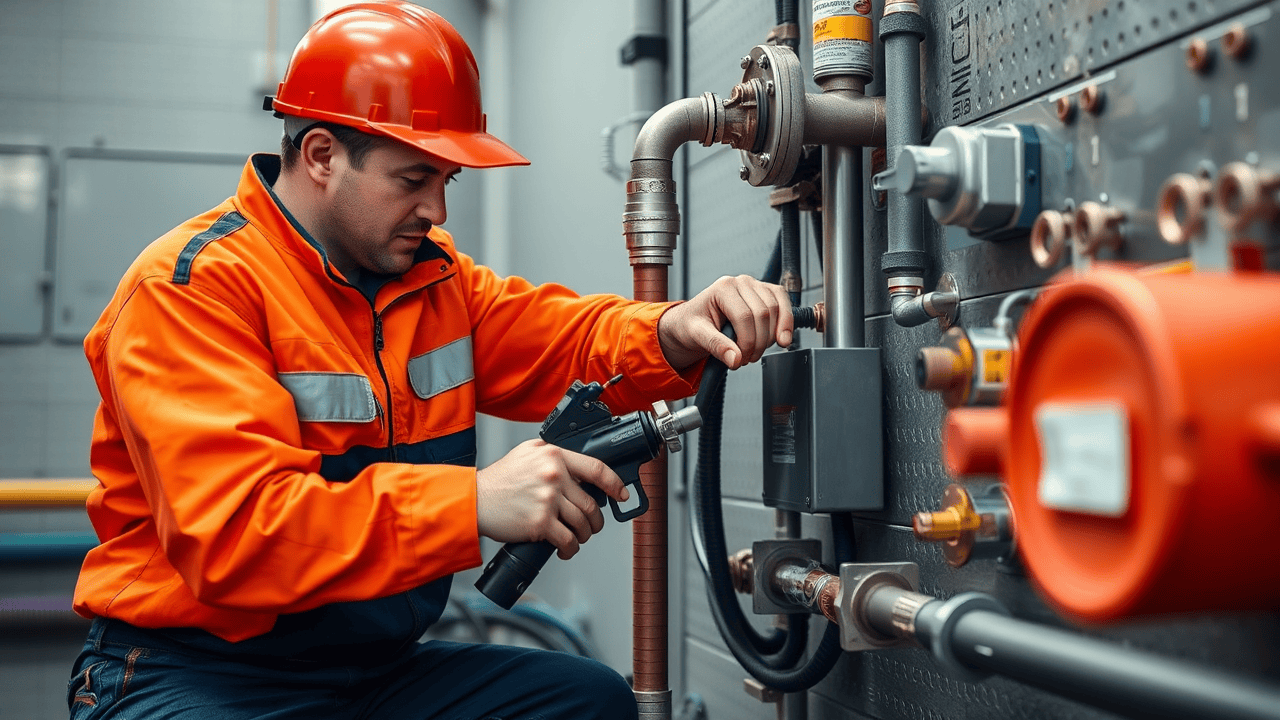
When tackling gas line issues, having the right tools is essential for ensuring safety and effectiveness. A wrench set is crucial for loosening and tightening fittings. Pipe cutters or hacksaws may be necessary for any cutting tasks that need to be performed. Additionally, a gas leak detector can help identify leaks that might go unnoticed. Gloves and safety goggles should always be on hand to provide protection while working with gas lines.
Gas line installation and repair in residential or commercial properties requires careful attention to detail. Depending on the specific repair, a torque wrench might also be needed to apply the correct tension to threaded joints. A pipe threader can facilitate the creation of custom connections. Having these tools ready will streamline the repair process and minimize potential hazards associated with gas line work.
Essential Equipment for Gas Line Repairs
When dealing with gas line installation and repair in residential or commercial properties, having the right tools is crucial for ensuring safety and efficiency. Essential equipment includes a pipe wrench, which is necessary for tightening and loosening fittings, as well as a specialized gas line cutter. A pressure gauge is also vital, as it helps in testing for leaks and ensuring the integrity of the gas delivery system. Additional tools may include Teflon tape, to seal threaded connections, and a utility knife for cutting through insulation and access to piping.
Safety gear should not be overlooked during any gas line installation and repair in order to protect yourself from potential hazards. This includes gloves, goggles, and a face mask to shield against harmful gases and debris. A gas detector can provide peace of mind by alerting you to any leaks in the system. A sturdy flashlight may also be beneficial, particularly for inspections in dimly lit areas. Investing in high-quality tools and safety equipment is essential for effective and safe gas line maintenance.
Costs Associated with Repairs
The costs associated with repairing a broken gas line can vary widely depending on several factors. Homeowners may encounter expenses related to diagnostic services, parts replacement, and labor charges. If the damage is extensive, the costs may increase significantly. Gas line installation and repair in older homes may also require additional modifications to comply with current safety codes.
In addition to the immediate repair costs, it's essential to consider the potential for further damage if repairs are delayed. Not addressing a gas leak promptly can lead to more serious issues, including environmental hazards and higher utility bills. Therefore, investing in timely repairs can be more economical in the long run.
Factors Influencing Repair Expenses
Several factors can impact the costs associated with gas line repairs. The severity of the damage often plays a significant role; minor leaks may require minimal intervention, while extensive damage or breaks could necessitate a complete replacement. Geographic location can also influence pricing. Urban areas may have higher labor rates compared to rural settings, where costs can be more affordable.
The type of material used in the gas line affects repair expenses. For instance, steel lines might demand more expensive tools and techniques than flexible polyethylene piping. Additionally, the accessibility of the gas line determines how straightforward the repair process will be. Difficult-to-reach lines can increase labor time, thus raising the overall bill. Factors like permits and inspections might also add to the total cost. Gas line installation and repair in various settings can further complicate these expenses, depending on local regulations and requirements.
Preventative Maintenance Tips
Regular inspections of gas lines can help identify potential issues before they escalate into major problems. Homeowners should schedule periodic checks with qualified professionals who understand safety protocols and compliance with local regulations. In addition to visual inspections, utilizing gas leak detection devices can ensure that leaks are identified early. Adequate ventilation around gas appliances also contributes to a safer environment.
Gas line installation and repair in residential and commercial settings requires attention to detail. Implementing simple maintenance practices such as keeping the area around gas lines clear of debris and ensuring that connections are tight can prevent future repairs. It is also beneficial to stay informed about any changes in local codes that may affect gas line safety. Keeping a log of any repairs or inspections performed can be a valuable tool for homeowners and property managers alike.
Keeping Your Gas Lines in Top Condition
Regular inspections of gas lines can help identify potential issues before they escalate into major problems. Homeowners should be aware of any unusual smells or sounds and promptly address them. Scheduling professional evaluations can ensure that gas lines are functioning correctly. Consistent maintenance helps to prolong the life of the system and reduce the risk of leaks.
Gas line installation and repair in residential areas requires adherence to safety standards and regulations. Proper installation techniques and materials play a crucial role in preventing future issues. Homeowners should stay informed about any changes in regulations and ensure that all maintenance work is carried out by licensed professionals. This not only enhances safety but also maintains the efficiency of the gas line system.
FAQS
Can I fix a broken gas line myself?
While some minor issues may be addressed by homeowners, it is highly recommended to hire a licensed professional for gas line repairs due to the potential dangers involved.
What tools do I need to repair a gas line?
Essential tools for gas line repairs may include a pipe wrench, adjustable pliers, gas leak detector, pipe cutter, and Teflon tape. However, ensure you have the proper training before attempting any repairs.
How much does it typically cost to repair a broken gas line?
The cost of repairing a broken gas line can vary widely, typically ranging from $200 to $1,000 or more, depending on the severity of the damage and local labor rates.
What factors influence the cost of gas line repairs?
Factors that can influence repair expenses include the location and extent of the damage, the type of gas line material, local permit fees, and the complexity of the repair job.
How can I prevent gas line issues in the future?
Regularly inspecting your gas lines, ensuring proper ventilation, and scheduling professional maintenance checks can help keep your gas lines in top condition and prevent future issues.