Applying Epoxy Putty
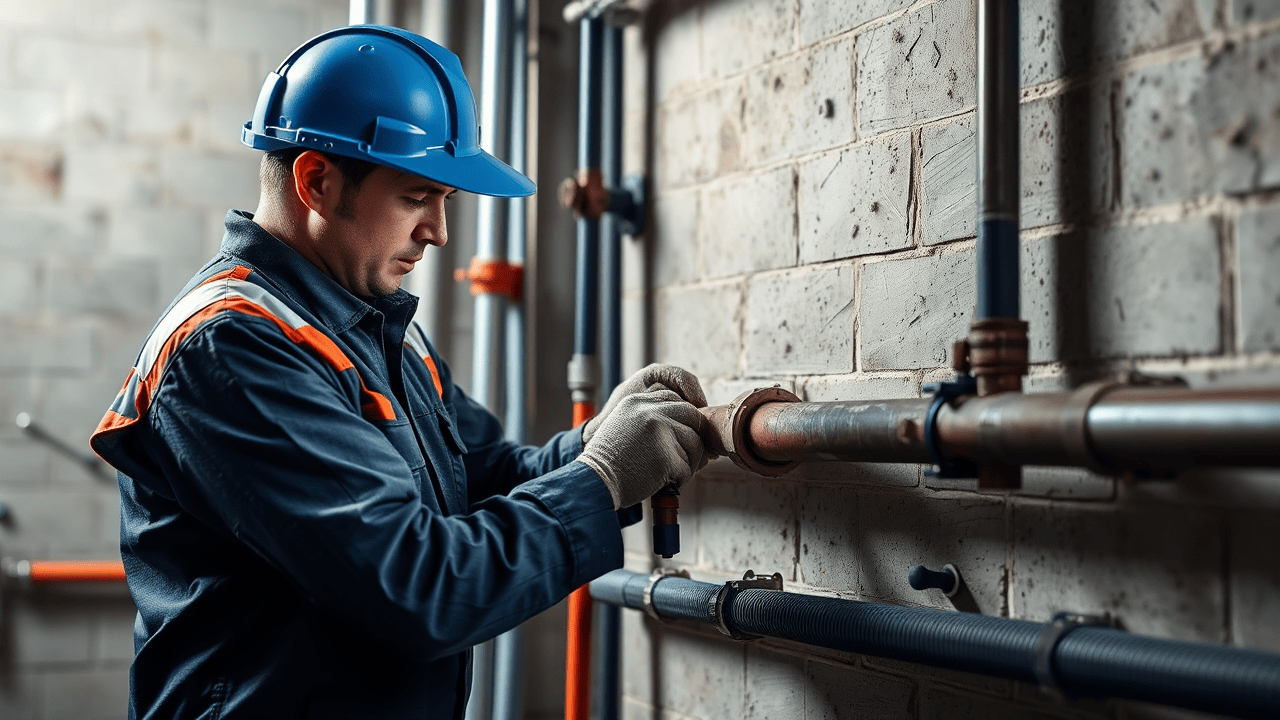
Epoxy putty provides a strong and durable solution for fixing leaky pipe joints without the need for disassembly. This compound typically comes in a two-part formula, requiring mixing before application. Once combined, the putty becomes moldable, allowing users to apply it directly onto the leak. Ensure the area is clean and dry for optimal adhesion. It’s essential to knead the putty thoroughly until the color is uniform, as this ensures both components are activated for effective sealing.
For best results, press the epoxy putty firmly over the leaky joint, spreading it to create a thick layer that bridges the damaged area. Allow it to cure as per manufacturer instructions, typically several hours, to achieve maximum strength. After curing, the putty can often be sanded or painted over for aesthetic reasons. If you prefer professional assistance, searching “Pipe installation and repair near me” can connect you to local plumbers who specialize in such repairs.
StepbyStep Application Process
Start by cleaning the area around the leaky joint to ensure that the epoxy adheres properly. Use a cloth or paper towel to remove any moisture, grease, or debris. If the surface is still damp, allow it to dry for a few minutes. Once the area is clean, take a sufficient amount of epoxy putty and knead it by hand until it becomes a uniform color. This indicates that the two-part mixture is activated and ready for application.
Next, apply the kneaded epoxy directly onto the leak. Press it firmly into the joint, ensuring it covers the entirety of the leak and fills any gaps. Smooth the surface with your fingers or a tool for an even finish. Allow the putty to cure as per the manufacturer's instructions. For those unfamiliar with specific repair methods, searching for "Pipe installation and repair near me" can provide local professionals who might assist if needed.
Using Pipe Sealant Tape
Pipe sealant tape, often referred to as Teflon tape, is a reliable option for addressing leaks in pipe joints. This tape forms a tight seal that can prevent water from escaping even in high-pressure situations. The application is straightforward and does not require special tools, making it accessible for most homeowners. If you're new to home repairs, searching for “pipe installation and repair near me” may provide local professionals who can help with more complex issues.
To apply the tape effectively, start by cleaning the area around the leak to remove moisture and debris. Wrap the tape around the threaded joint, ensuring it overlaps slightly with each turn. Aim for three to five layers for sufficient thickness. Be careful not to over-wrap, as this could hinder the connection between joints. After applying the tape, reassemble the joint and tighten it as needed. This simple yet effective method can save time and money while preventing further damage.
Proper Wrapping Techniques
To ensure effective sealing with pipe sealant tape, start by cleaning the area around the joint thoroughly. Remove any dirt, debris, or old tape that may interfere with adhesion. A clean surface allows the tape to bond more effectively, reducing the chances of future leaks. It is best to dry the area completely as moisture can compromise the adhesive properties of the tape.
When wrapping the tape around the pipe joint, overlap each layer by half to cover the surface entirely. This technique creates a more durable seal by increasing the thickness of the tape in the joint area. Ensure that you wrap in the direction of the threads to avoid unravelling. If needed, seek out local options such as placing "pipe installation and repair near me" in a search engine for professional assistance.
Utilizing Liquid Sealants
Liquid sealants are a popular choice for fixing leaky pipe joints because they can easily conform to different shapes and sizes. These sealants provide a flexible and durable barrier against leaks. They often come in a tube, allowing for precise application in hard-to-reach areas. When choosing a liquid sealant, make sure it is compatible with the type of pipe you are working on, whether it be plastic, metal, or another material.
To apply a liquid sealant effectively, first, clean the area around the joint to remove any dirt or old sealing material. Squeeze out a generous amount of sealant onto the joint, making sure to cover the leak completely. Smooth the sealant with a putty knife or your finger for a seamless finish. For those unsure about their DIY skills, searching for "pipe installation and repair near me" can connect you with local professionals who can assist with the job.
Application Instructions and Tips
When using liquid sealants, preparation is key to ensuring a proper bond. Begin by thoroughly cleaning the area around the leak to remove any dirt, grease, or moisture. This might involve wiping down the surface with a cloth or using a suitable cleaner. Once the area is dry, apply the liquid sealant directly onto the joint according to the manufacturer’s instructions. It often helps to apply multiple thin layers rather than one thick layer, allowing each to set as recommended before adding more.
For those unsure about the application process, seeking professional assistance is a good option. Many plumbing companies offer services like “pipe installation and repair near me.” It's important to select a reputable service provider that can deliver quality results. Always check reviews and seek recommendations to ensure the job is done correctly and efficiently, preventing future issues with leaks.
FAQS
What materials do I need to fix a leaky pipe joint without removing it?
To fix a leaky pipe joint, you will typically need epoxy putty, pipe sealant tape, or liquid sealants, depending on the method you choose. Additionally, you may need a clean cloth, scissors, and possibly a utility knife for preparation.
How long does it take for epoxy putty to cure?
Epoxy putty usually takes about 1 to 2 hours to set, but full curing can take up to 24 hours. It's essential to follow the manufacturer's instructions for the best results.
Can I use duct tape to fix a leaky pipe joint?
While duct tape can provide a temporary fix for minor leaks, it is not a long-term solution. It's better to use materials designed for plumbing repairs, such as pipe sealant tape or epoxy putty.
Is it safe to use liquid sealants on all types of pipes?
Liquid sealants are generally safe for most types of pipes, including PVC, metal, and copper. However, it's important to read the product label for compatibility and follow the manufacturer's instructions for use.
What should I do if the leak persists after attempting a DIY fix?
If the leak continues after using a DIY method, it's advisable to consult a professional plumber. Persistent leaks may indicate more significant issues that require expert assessment and repairs.